Embracing the Future: How AI-Enhanced APIs are Revolutionizing Enterprise Digital Transformation
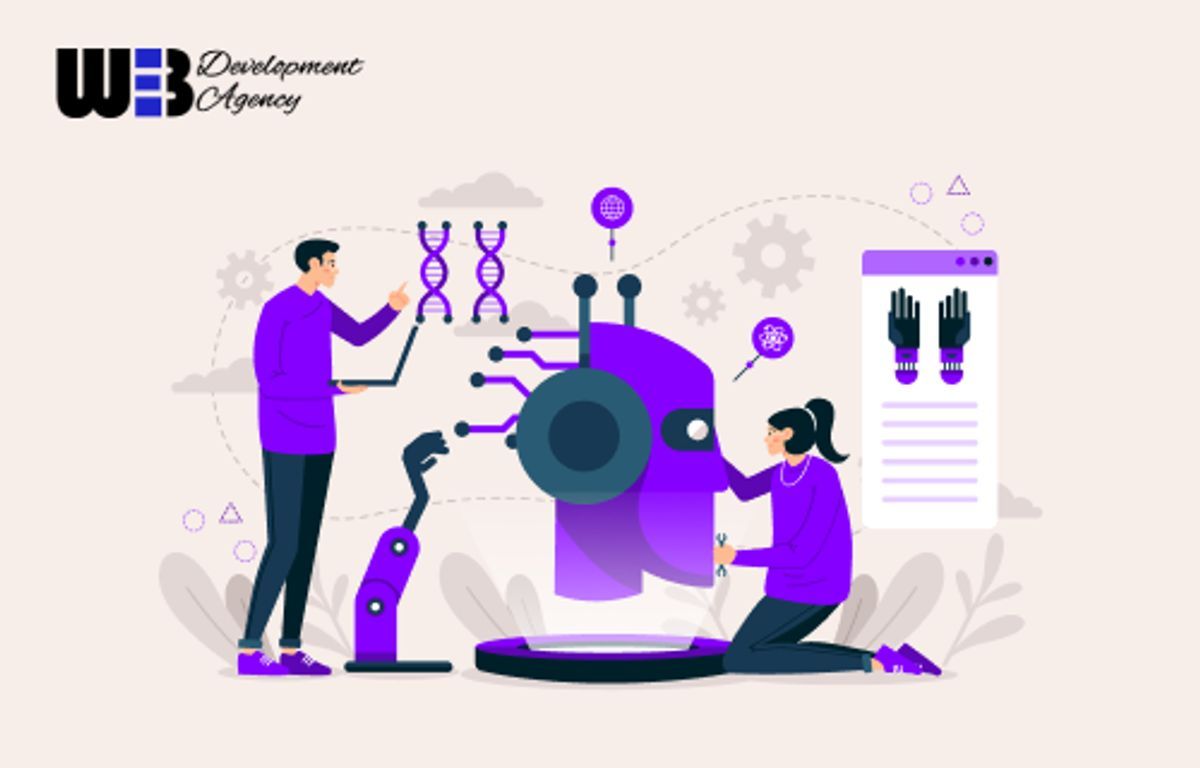
Dive into the world of AI-enhanced API integrations and their pivotal role in the digital transformation of enterprises. Learn how integrating AI capabilities through APIs can automate processes, enhance data analytics, and create more intelligent, interconnected software ecosystems.
Key Takeaways
- AI-enhanced APIs are critical for automating processes, providing advanced data analytics, and fostering intelligent software ecosystems.
- The convergence of AI with IoT and blockchain is paving the way for more interconnected and intelligent business ecosystems.
- AI-driven APIs are transforming customer experiences through personalized services, predictive analytics, and improved customer satisfaction metrics.
- Adaptive governance and operational efficiency are being redefined through the strategic use of AI-enhanced APIs in digital transformation.
- Emerging technologies like AI, IoT, and cloud computing are driving innovation and long-term growth in enterprise digital transformation.
Strategic Integration of AI-Enhanced APIs in Business Ecosystems

Current Capabilities and Enhancements
In the realm of enterprise digital transformation, Smart API Integration AI has emerged as a cornerstone, enabling businesses to interpret complex datasets and uncover hidden patterns for actionable insights. Seamless AI API Solutions have revolutionized market trend analysis, customer behavior prediction, and operational efficiency improvements.
The integration of AI technologies into existing business systems has enhanced capabilities without disrupting workflows, paving the way for a future of interconnected and intelligent ecosystems.
Custom AI API Integrations are not just a technological upgrade but a strategic imperative. They are designed to meet specific business needs, enhancing operations, customer service, and decision-making processes. As we look to the future, the AI API Ecosystems Insights suggest that more sophisticated analytics tools powered by AI will enable real-time data processing and more accurate predictions.
- Cognitive Computing: Mimics human thought processes, enhancing customer service bots and personal assistants.
- Training and Maintenance: Ensures AI systems remain effective with ongoing updates to data and algorithms.
- Solution Design and Development: Tailored AI solutions meet specific business needs, from design to deployment.
Embrace data-driven leadership with AI analytics for business success. Overcome challenges in integrating big data for strategic advantage. Professional API integration services are available for seamless data integration. The future beckons with the promise of AI and IoT convergence, blockchain integration, and cognitive computing advancements that will redefine the business landscape.
Future Prospects of AI and IoT Convergence
As we stand on the brink of a technological renaissance, the convergence of AI and IoT heralds a future where the fabric of our digital ecosystems is interwoven with intelligence. The seamless integration of AI with IoT devices is set to unlock unprecedented efficiencies and capabilities, transforming the way we live and work.
- Quantum AI promises to enhance AI's problem-solving prowess, enabling breakthroughs in complex simulations and optimizations.
- The drive towards AI for Environmental Sustainability will see AI playing a pivotal role in monitoring and mitigating environmental issues, from climate change to conservation.
- In the realm of smart cities and autonomous vehicles, this convergence will be particularly impactful, ensuring safer, more efficient urban environments.
The potential of AI and IoT to revolutionize industries is not just a distant dream but an imminent reality. The strategic fusion of these technologies will catalyze a new era of innovation and growth.
As we harness AI for Vision 2030 and beyond, businesses must prepare to adapt to a world where AI consulting becomes integral to navigating the complexities of digital transformation. The future is bright, and the opportunities for growth are vast. Embrace the change, and let AI and IoT be the guiding stars in your enterprise's journey to digital excellence. Don't miss out on the transformative power of AI-enhanced APIs—the time to act is now.
Blockchain and AI: The Next Frontier in Business Integration
The fusion of blockchain and artificial intelligence (AI) heralds a new era in business integration, promising unprecedented levels of security, transparency, and efficiency. Blockchain's immutable ledger, combined with AI's predictive capabilities, paves the way for transformative business solutions.
- Security: Blockchain's decentralized nature significantly reduces the risk of data breaches.
- Transparency: Every transaction is recorded on a blockchain, providing a clear audit trail.
- Efficiency: AI can analyze blockchain data to identify trends and optimize processes.
The strategic amalgamation of blockchain and AI not only enhances current systems but also opens doors to innovative business models and operational excellence.
As we stand on the brink of this technological confluence, it is imperative for enterprises to understand the potential and prepare for the integration of these powerful tools. The journey towards a smarter and more secure business environment is not without its challenges, but the rewards are substantial. Embrace the future by exploring the synergy between blockchain and AI, and let it propel your enterprise towards a transformative digital horizon. Remember, the future is not to be feared but to be shaped by your strategic decisions today.
The Evolution of Customer Experience through AI-Driven APIs

The Role of Chatbots in Modern Customer Service
In the realm of customer service, chatbots have become indispensable. These AI-powered assistants provide round-the-clock support, handling inquiries with increasing sophistication. The integration of chatbots into customer service platforms has not only streamlined operations but also significantly improved response times, leading to higher satisfaction rates among consumers.
The evolution of chatbots is ongoing, with future iterations poised to deliver even more personalized and empathetic interactions. By understanding context and emotions, they will closely mimic the support provided by human agents, thereby elevating the customer experience to unprecedented levels.
The strategic deployment of chatbots is a testament to the transformative power of AI in customer lifecycle management. Businesses that embrace this technology benefit from predictive analytics and enhanced customer engagement, which are critical for growth and retention.
Moreover, chatbots are a key component in automating routine tasks, freeing up human resources to focus on strategic and complex issues. For instance, Bank of America's Erica is a prime example of how automation can shift the workload from mundane tasks to areas requiring human expertise.
To fully harness the potential of chatbots, businesses must consider not only their current capabilities but also the broader executive strategy. This involves identifying areas where AI can add substantial value, allocating the necessary resources, and fostering a culture that is receptive to data-driven decision-making.
Personalization and Predictive Analytics in Customer Engagement
In the realm of customer engagement, personalization and predictive analytics are not just buzzwords; they are the engines driving the new era of consumer-business relationships. Retail giants like Amazon have set the benchmark with their AI-driven recommendation engines, which analyze browsing and purchasing history to deliver personalized shopping suggestions. Similarly, Netflix's AI algorithms curate content recommendations, enhancing viewer satisfaction by aligning offerings with individual preferences.
The transformative power of AI in customer engagement lies in its ability to streamline data analysis, providing actionable insights that inform product development and marketing strategies. By tailoring customer interactions and making informed recommendations, businesses can foster a culture of loyalty and satisfaction.
The strategic deployment of AI in customer engagement initiatives ensures a seamless and intuitive user experience, ultimately leading to increased sales and brand loyalty.
To harness the full potential of AI in your business, consider the following steps:
- Implement AI-driven analytics to derive deep insights from customer data.
- Use these insights to personalize interactions and recommendations.
- Ensure your AI solutions enhance the customer journey, adding tangible value.
Embrace the future by integrating AI into your customer engagement strategies. The time to act is now—transform your business with AI-enhanced APIs and stay ahead in the digital race.
Measuring the Impact of AI on Customer Satisfaction
In the quest to quantify the transformative effects of AI on customer satisfaction, enterprises are increasingly turning to sophisticated metrics and analytics. The pivotal role of AI in enhancing customer satisfaction is no longer just a hypothesis, but a measurable reality.
To illustrate, consider the following key performance indicators (KPIs) that businesses are using to gauge the impact of AI on customer satisfaction:
- Customer Satisfaction Score (CSAT)
- Net Promoter Score (NPS)
- Customer Effort Score (CES)
- First Contact Resolution (FCR)
- Average Handling Time (AHT)
Each of these metrics offers a lens through which the influence of AI on customer experiences can be assessed. For instance, AI-driven personalization has been shown to improve CSAT by tailoring interactions to individual preferences, while predictive analytics can enhance NPS by anticipating and addressing customer needs proactively.
The integration of AI into customer service operations not only streamlines processes but also provides a deeper understanding of customer behaviors and preferences, leading to more effective and satisfying interactions.
As we delve deeper into the era of digital transformation, it is imperative for businesses to embrace AI-enhanced APIs as a means to not only improve operational efficiency but also to forge stronger, more meaningful connections with customers. The evidence is clear: companies that leverage AI to understand and predict customer behavior are setting new benchmarks in customer satisfaction. Let us not be mere spectators but active participants in this revolution. Embrace AI, measure its impact, and let your business thrive in the digital age.
AI-Enhanced API Governance and Operational Efficiency

Principles of API Adaptive Governance
In the realm of digital transformation, API Adaptive Governance stands as a cornerstone, ensuring that as enterprises scale, their API strategies remain robust, secure, and aligned with business objectives. This governance model fosters an agile, distributed development environment where each API receives the appropriate level of oversight, balancing innovation with control.
- Agility: Rapid adaptation to changing business needs
- Security: Protection against evolving threats
- Compliance: Adherence to regulatory and industry standards
- Efficiency: Streamlined processes for faster time-to-market
The essence of API Adaptive Governance lies in its ability to evolve with your enterprise, creating a dynamic framework that supports continuous improvement and strategic alignment.
As we delve deeper into the principles of API Adaptive Governance, it's crucial to recognize the transformative impact it has on API strategies. By embracing these principles, businesses can unlock new levels of efficiency, profitability, and compliance—three pillars of a strong API economy. To stay ahead, it's imperative to integrate these practices into your digital strategy. Are you ready to elevate your API governance and drive your business forward? Explore our in-depth resources and begin your journey towards a more adaptive and resilient digital ecosystem.
Optimizing Operations with AI-Enhanced APIs
In the realm of enterprise operations, AI-Powered API Strategies are not just a trend; they are a transformative force. AI API Integration Services are redefining how businesses approach problem-solving and operational efficiency. For instance, Intelligent API Solutions have been pivotal in manufacturing, where predictive maintenance powered by AI minimizes downtime and slashes maintenance costs, as seen with Siemens' proactive measures.
AI-Enhanced API Connectivity goes beyond mere automation; it's about creating a seamless flow of data and insights across an organization. API AI Automation Insights gleaned from this connectivity enable businesses to make data-driven decisions that were previously unimaginable. AI-Driven API Development is not just about building new APIs but also about enhancing existing ones to be more intelligent and responsive to the dynamic business environment.
The integration of API Intelligence with AI has led to a series of AI API Tech Innovations that are reshaping the landscape of enterprise operations. AI in API Management ensures that the vast networks of APIs are running optimally, leveraging AI API Optimization Techniques to anticipate issues and resolve them proactively. Advanced AI API Technologies are the cornerstone of this new era of operational excellence.
Embrace the future with AI-enhanced APIs and witness a paradigm shift in your operational efficiency. The journey towards AI-driven excellence is not just a step but a leap into a world of unprecedented possibilities.
To truly understand the impact of these technologies, consider the following key areas where AI-enhanced APIs are making a significant difference:
- Predictive Maintenance: Reducing equipment downtime and maintenance costs.
- Process Optimization: Streamlining business processes for cost savings and improved productivity.
- Data-Driven Decision Making: Harnessing analytics for market and customer insights.
The call to action is clear: visit the Bles Software website for comprehensive insights on leveraging AI for scalable growth and efficient software development. Stay ahead of the curve with emerging technologies that are shaping the industry.
The Strategic Role of APIs in Digital Transformation
In the digital age, APIs are the linchpins of innovation and agility in enterprise ecosystems. They serve as the conduits for seamless data exchange, enabling businesses to adapt rapidly to market changes and customer needs. The strategic integration of APIs is not just about connecting systems; it's about creating a dynamic and responsive infrastructure that can evolve with technological advancements and competitive pressures.
- Interoperability: APIs facilitate communication between disparate systems, ensuring that different technologies can work together harmoniously.
- Agility: By enabling quick integration of new features or services, APIs help businesses stay ahead of the curve.
- Innovation: Open APIs allow for collaborative development, fostering innovation and driving new business models.
The true measure of an API's strategic value lies in its ability to unlock new opportunities and catalyze growth.
As we witness the emergence of new paradigms such as open banking, healthcare innovation, and retail transformation, the role of APIs becomes increasingly critical. Offering API integration services starting at $175 and web application development starting at $2,500, businesses can leverage various API types, high-volume data integrations, security protocols, and mobile app integration to stay competitive. With a proven track record and positive client reviews, the potential for digital transformation through APIs is boundless. Embrace the future by harnessing the power of AI-enhanced APIs to redefine your digital strategy.
The Synergy of AI and Open Finance in Shaping the Financial Ecosystem

From Open Banking to Embedded Finance: A Paradigm Shift
The transition from Open Banking to Embedded Finance marks a revolutionary shift in the financial services industry. This evolution is not just a change in technology; it's a redefinition of how financial services are integrated into the fabric of everyday life.
Embedded Finance blurs the lines between traditional financial institutions and other industries, allowing for seamless financial transactions within various consumer platforms. Here's how this paradigm shift is unfolding:
- Consumer Expectations: Customers now expect financial services to be as accessible and intuitive as their favorite apps.
- Technology Advancements: APIs and AI are the backbone of this transformation, enabling secure and personalized experiences.
- Regulatory Landscape: As regulations evolve, they pave the way for more innovative and integrated financial solutions.
The synergy between OpenAI Feather and Embedded Finance is creating unprecedented opportunities for businesses to offer tailored financial services, enhancing customer engagement and loyalty.
As we embrace this new era, it's crucial for enterprises to understand the implications of this shift. The integration of AI-enhanced APIs, like OpenAI Feather, is not just about technological advancement; it's about creating a competitive edge. These tools empower enterprises with advanced AI capabilities, accelerating innovation and leveling the playing field. They democratize AI development, lowering barriers for startups and offering scalable solutions for established companies.
The future of finance is open, embedded, and AI-driven. Are you ready to be part of this transformation? Dive into the possibilities and ensure your business stays ahead of the curve.
AI as a Catalyst for Personalized Financial Services
In the realm of finance, the strategic deployment of AI is not just an innovation; it's a transformative force reshaping the very fabric of customer service. AI's prowess in personalizing financial services is a testament to its potential, offering a bespoke experience that aligns with individual customer needs and preferences. This personal touch is not merely about satisfaction—it's about fostering a deep-seated loyalty that is the cornerstone of long-term business success.
The integration of AI into financial services is a game-changer, enabling institutions to not only predict customer needs but to act on them with precision and foresight. By harnessing the power of AI, financial entities can deliver a level of personalization previously unattainable, setting a new standard in customer engagement.
Consider the following transformative impacts of AI on financial services:
- Using AI to tailor customer interactions, ensuring recommendations are finely tuned to individual behaviors.
- Leveraging AI-driven analytics to extract actionable insights, guiding strategic decisions across product development and customer relations.
- Automating routine tasks, thereby liberating human capital to focus on strategic initiatives that drive growth and innovation.
The future beckons with the promise of AI as a linchpin in the financial sector, catalyzing a shift towards more personalized, efficient, and secure services. As we stand on the cusp of this revolution, it is imperative for enterprises to embrace AI-enhanced APIs, not just as tools, but as partners in crafting a customer-centric financial landscape. The call to action is clear: integrate, innovate, and inspire with AI at the helm of your digital transformation journey.
Navigating the Regulatory Landscape of Open Finance
As the financial ecosystem evolves with the advent of Open Finance, navigating the complex regulatory landscape becomes a pivotal challenge for institutions. Regulatory compliance is not just a legal obligation; it's a strategic enabler of trust and innovation. The convergence of AI and Open Finance has introduced a new paradigm where data privacy, security, and ethical use are at the forefront.
To effectively manage these regulatory requirements, institutions must adopt a proactive approach:
- Understanding the nuances of regional regulations such as GDPR, PSD2, and the evolving policies of the CFPB.
- Implementing robust data governance frameworks to ensure transparency and accountability.
- Engaging with regulatory bodies and participating in industry dialogues to shape future regulations.
The key to success in Open Finance is not just in adapting to regulations but in anticipating and influencing them to foster an environment conducive to growth and innovation.
As we delve deeper into the intricacies of regulatory compliance, it's essential to recognize the role of experts like Stas Sorokin, whose deep technical expertise and practicality in AI and software development are invaluable. By leveraging such expertise, financial institutions can not only comply with current regulations but also adapt swiftly to emerging ones, ensuring a competitive edge in the dynamic landscape of Open Finance.
Emerging Technologies and Their Role in Enterprise Digital Transformation

Artificial Intelligence as a Driver of Innovation
In the vanguard of technological evolution, Artificial Intelligence (AI) stands as a beacon of innovation, reshaping industries with its transformative power. AI is not just a tool but a harbinger of change, enabling businesses to leapfrog into the future with enhanced capabilities and unprecedented efficiency.
- Automotive: AI's role in Tesla's Autopilot system exemplifies its potential to revolutionize safety and autonomous driving through continuous learning from vast data.
- Pharmaceuticals: In drug discovery, AI accelerates the process, reducing costs and time-to-market, as seen with Atomwise's algorithmic predictions.
As AI intertwines with other technologies, it catalyzes a synergy that amplifies its impact. For instance, integrating AI with insights discovery can lead to more innovative campaign concepts, fostering a culture of continuous improvement and strategic foresight.
In the realm of digital transformation, AI is the cornerstone that enables a seamless fusion of technology and human ingenuity, driving businesses towards a future where possibilities are boundless.
The promise of AI in driving market and consumer insights is immense. As we stand on the brink of this paradigm shift, the question remains: how will your enterprise harness the power of AI to fuel innovation and maintain a competitive edge? Embrace AI, and let it be the catalyst for your organization's renaissance. Start innovating today.
The Internet of Things and Its Integration with AI
The fusion of the Internet of Things (IoT) with Artificial Intelligence (AI) is not just a technological advancement; it's a transformative leap that redefines the boundaries of automation and smart decision-making. IoT devices, when enhanced with AI, become more than just connected gadgets; they evolve into intelligent agents capable of autonomous actions and predictive analytics.
The synergy between AI and IoT is evident in the way smart devices now anticipate needs and optimize processes without human intervention. For instance, in smart homes, AI-driven thermostats learn from your habits to adjust the temperature for optimal comfort and energy efficiency.
The strategic integration of AI with IoT devices is paving the way for unprecedented levels of operational efficiency and personalized user experiences.
As we look to the future, the potential for AI and IoT convergence is immense. Businesses must prepare for advancements such as AI as a Service (AIaaS) and the integration of AI with other emerging technologies like blockchain. This preparation is not just about adopting new technologies but also about embracing a culture of innovation and continuous learning.
To stay ahead in this rapidly changing landscape, consider consulting with experts like Stas Sorokin, a Pro on Fiverr, who specializes in API integration and AI applications. His expertise in JavaScript, Node.js, PHP, Angular Material, and Laravel can help you seamlessly integrate AI into your IoT strategies, ensuring that your business remains at the forefront of digital transformation.
The Impact of Cloud Computing and Big Data on AI Strategies
The symbiosis of cloud computing and big data has become the backbone of AI strategies, offering unprecedented scalability and computational power. The agility provided by cloud services, combined with the insights gleaned from big data analytics, is propelling AI to new heights. Enterprises are now harnessing these technologies to drive innovation, automate complex processes, and make more informed decisions.
The democratization of AI through cloud platforms is not just a technological shift; it's a strategic imperative for businesses aiming to maintain a competitive edge.
The integration of AI with cloud computing and big data is not without its challenges, however. Concerns around data security, privacy, and ethical use of AI are prompting businesses to adopt a more cautious approach. To navigate this landscape, consider the following:
- Strategic AI Implementation: Align AI with business goals to enhance efficiency and competitive advantage.
- Process Optimization: Use AI to automate tasks and optimize resource allocation for cost savings.
- Data-Driven Decision Making: Employ AI analytics for insights into market trends and customer behavior.
As we look to the future, the role of AIaaS (AI as a Service) will likely grow, enabling businesses to access AI capabilities without extensive in-house expertise. This shift underscores the importance of ethical AI and the need for robust data governance. To stay ahead, businesses must embrace these technologies, ensuring they are integrated thoughtfully and responsibly into their digital transformation strategies.
Embrace the future—integrate AI with cloud computing and big data to transform your enterprise. Don't get left behind; the time to act is now.
Conclusion
In conclusion, AI-enhanced APIs represent a seismic shift in the digital transformation journey of enterprises. As we have explored, these advanced integrations are not just technological upgrades but are pivotal in automating processes, refining data analytics, and fostering intelligent, interconnected ecosystems. The examples discussed throughout this article highlight the profound impact of AI across various sectors, offering solutions to age-old challenges, streamlining efficiency, and igniting innovation. As AI continues to evolve, it will inevitably address increasingly complex issues, further revolutionizing business operations and societal functions. The future of enterprise digital transformation is undeniably intertwined with the advancement of AI-enhanced APIs, and embracing this future is key to unlocking unprecedented levels of growth, innovation, and competitive advantage.
Frequently Asked Questions
How are AI-enhanced APIs driving enterprise digital transformation?
AI-enhanced APIs are driving enterprise digital transformation by automating processes, improving data analytics, and fostering intelligent, interconnected ecosystems. They enable businesses to integrate AI capabilities seamlessly into existing systems, enhancing efficiency and innovation.
What are the current capabilities of AI in business ecosystems?
The current capabilities of AI in business ecosystems include process automation, advanced data analytics, personalized customer experiences, and improved decision-making. AI technologies are integrated into existing systems to enhance capabilities without disrupting workflows.
What is the future of AI and IoT convergence?
The future of AI and IoT convergence lies in creating seamless connectivity between AI systems and IoT devices. This integration will lead to more intelligent and interconnected ecosystems, capable of tackling complex problems and driving further innovation in business operations.
How is AI transforming customer service through chatbots?
AI is transforming customer service through chatbots by providing instant, 24/7 support, understanding and responding to user queries in natural language, and offering personalized assistance. This enhances customer satisfaction and streamlines service operations.
What is the role of AI in the evolution of Open Finance?
AI plays a pivotal role in the evolution of Open Finance by enabling personalized financial services, automating financial advice, and enhancing risk assessment. It supports the shift from Open Banking to Embedded Finance, revolutionizing customer experiences.
How does AI Adaptive Governance impact business operations?
AI Adaptive Governance impacts business operations by providing a framework for managing AI-enhanced APIs effectively. It ensures compliance, security, and reliability while enabling businesses to adapt quickly to changing market demands and technological advancements.


Comments
Post a Comment